
 English
 Español
 Portugues
 Pусский
 Français
 Deutsch
 日本語
日本語 한국어
한국어 العربية
 Italian
 Nederlands
 Ελληνικά
 Svenska
 Polski
 ไทย
ไทย हिन्दी
 Indonesia
 Melayu
 Tiếng Việt
 dansk
dansk Magyar
 বাংলা
বাংলা čeština
 Soomaali
 မြန်မာ
 فارسی
فارسی українська
 norsk
norsk Gaeilge
 беларускі
 Română
 ພາສາລາວ
 Filipino
 lietuvių
 Cymraeg
 Suomalainen
 o'zbek
 اردو
اردو հայերեն
 سنڌي
سنڌي Hrvatski
 íslenskur
 galego
 català
 Zulu South Africa
 ಕನ್ನಡ
ಕನ್ನಡ Indonésia Sunda
 Кыргызча
 тоҷикӣ
 Србија
 Hawaii
 नेपाल
नेपाल euskara
 latvija
 پښتو
پښتو საქართველოს
 bosna
bosna Eesti
Eesti Azerbaijani
 Shqipëria
 Malta
Malta Kikongo
 Eʋegbe
 Fiji
Fiji Tonga
Tonga 中文站
中文站
 +86-514-88253368
OCIMF Bağlama Halatı
Mooring ropes are essential components in the safe berthing and securing of ships in ports and terminals. These ropes are subject to rigorous quality, specification, and operational standards to minimize risks and enhance safety during mooring operations. The mooring rope typically connects the vessel to the shore, taking up and absorbing the forces imparted by wind, current, waves, and the vessel's movement. Over the years, industry guidelines have been developed to ensure proper selection, management, and use of mooring ropes on various types of vessels.Mooring ropes can be produced from a range of materials, including natural fibers, wire, or—most commonly for modern shipping—synthetic fibers such as polyamide (nylon), polyester, and high modulus polyethylene (HMPE). Each material offers distinct properties in terms of strength, stretch, durability, and weight. For example, polyester ropes offer excellent strength and low stretch characteristics, while nylon ropes are valued for their ability to absorb shock loads due to their higher elongation properties. HMPE ropes provide high strength-to-weight ratios and excellent resistance to chemical and environmental degradation, making them suitable for harsh maritime environments.The design, construction, and selection of mooring ropes are determined by various factors, including vessel size, expected operating environment, berth arrangements, and the configuration of the ship’s mooring equipment. Modern best practices emphasize a “system approach” when selecting ropes, ensuring compatibility with winches, fairleads, and mooring bitts, as well as evaluating the Minimum Breaking Load (MBL) of a mooring line to avoid mismatches that could cause premature failure.Proper mooring rope management is critical to ensure continued performance and safety. This includes routine inspection for wear, abrasion, or chemical damage; adherence to retirement criteria; and maintaining proper documentation of maintenance and replacement activities. Personnel should receive adequate training in safe handling practices, hazard awareness, and emergency response in case of snap-back or failure of a mooring line under tension.Additionally, the use of innovative technologies like snap-back arrestors, improved rope identification and tracking systems, as well as standardization of terminology and color coding, contribute to reducing incidents and enhancing overall safety on board. The industry continually reviews mooring practices and rope technologies, taking into account incident data and feedback from operational experience to promote safer and more efficient mooring operations worldwide.
ürün
sınıflandırma:
-
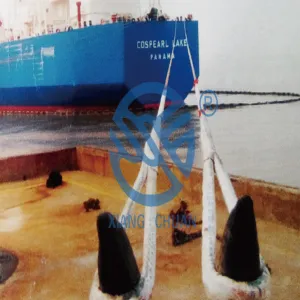
Demirleme Kuyrukları
Sınıflandırmaları: Demirleme KuyruklarıGörünümler: 34541Sayı:Bırakma süresi: 2023-11-30 02:21:30Demirleme Kuyrukları Üreticileri ve Tedarikçileri Fabrikası
Haber
sınıflandırma:
-
[Industry News]Meg4'e uygun bağlama halatı doğal afetlere dayanabilir mi?
2023-11-26 02:51:57 -
[Industry News]Kablo gerginlik testinin ana adımları nelerdir?
2023-11-30 01:56:44 -
[Industry News]Sonsuz Askı: Güvenli ve Verimli Kaldırma Operasyonları için...
2023-12-06 06:31:57 -
[Industry News]Sonsuz Sapanlar Denizcilik Uygulamalarına Uygun mudur?
2024-03-11 02:27:06 -
[Industry News]"Sonsuz Askının Ömrünü Anlamak"
2024-03-18 09:06:59 -
[Industry News]Sonsuz Sapan İmalatının Çevresel Etkisi.
2024-05-16 03:48:33 -
[Industry News]Sonsuz Sapanlar uzun vadede yatırıma değer mi?
2024-05-24 07:53:47 -
[Industry News]Demirleme Kuyrukları Kazaları Önlemeye Yardımcı Olabilir mi?
2024-07-02 08:56:53 -
[Industry News]Sonsuz Sapanlar belirli uygulamalar için özelleştirilebilir...
2024-07-12 08:37:42 -
[Industry News]Bağlama Kuyrukları Teknenin Dengesini Artırabilir mi?
2024-07-22 02:36:53 -
[Industry News]Sonsuz askıyı geleneksel kayışlardan ayıran nedir?
2025-04-26 00:55:38 -
[Industry News]Belirli görevler için doğru sonsuz askı nasıl seçilir?
2025-05-12 02:26:32
Dava
sınıflandırma:
Arama sonucu yok!
Video
sınıflandırma:
Arama sonucu yok!
İndir
sınıflandırma:
Arama sonucu yok!
İşe Alım
sınıflandırma:
Arama sonucu yok!
Önerilen ürünler
-
NEWS
Demirleme Kuyrukları
Daha fazla bilgi



 Telefon