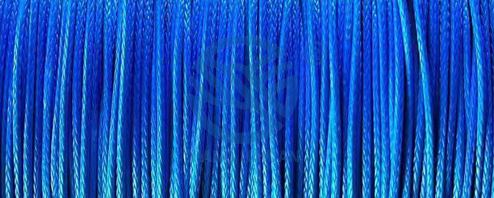
Halat seçimi, denizcilik operasyonları ve inşaattan açık hava rekreasyon ve havacılık desteğine kadar çeşitli sektörlerde kritik bir karardır. Çok çeşitli halat türleri arasında çift örgülü Naylon Halat, güç, esneklik ve dayanıklılığın benzersiz kombinasyonuyla öne çıkıyor. Bununla birlikte, tek örgülü naylon, polyester, polipropilen, doğal elyaf halatlar ve aramid halatlar gibi diğer yaygın halatlara karşı dayanıklılığının nasıl olduğunu anlamak, doğru ipi belirli görevlerle eşleştirmek için çok önemlidir. Bu makale, çift örgülü naylon halatın mukavemet özelliklerini araştırıyor, onu diğer halat malzemeleri ve yapılarıyla karşılaştırıyor ve gerçek dünya uygulamalarında performansını etkileyen faktörleri vurguluyor.
1. Çift Örgülü Naylon Halatın Yapısal Avantajı: Gücün Temeli
Çift örgülü naylon halatın mukavemet karşılaştırmalarında neden iyi performans gösterdiğini anlamak için öncelikle yapısını incelemek gerekir. Tek örgülü halatların (tek örgülü katmana sahip olan) veya bükülmüş halatların (üç veya daha fazla telin bükülmesiyle yapılan) aksine, çift örgülü naylon halat, bir çekirdek ve kılıf yapısına sahiptir: dış örgülü kılıfla çevrelenmiş bir iç örgülü çekirdek. Hem çekirdek hem de kılıf naylon elyaftan yapılmıştır ve iç içe geçmiş tasarımları sinerjik bir güç etkisi yaratır.
Çift örgülü naylon halatın çekirdeği, çekme yükünün çoğunu (tipik olarak toplam mukavemetin %70-80'i) taşırken, kılıf aşınmaya, UV radyasyonuna ve kimyasal maddelere maruz kalmaya karşı koruma sağlar. Bu çift katmanlı yapı, dayanıklılıkla ilgili iki önemli avantaj sunar:
Dağıtılmış Yük Taşıma: Gerilme uygulandığında yük, hem çekirdek hem de kılıf boyunca eşit şekilde yayılır, bireysel liflerdeki stres azaltılır ve ani arıza riski en aza indirilir. Buna karşılık, tek örgülü halatlar tüm yükleri taşımak için tek bir katmana dayanır, bu da onları tekrarlanan stres altında lif yorgunluğuna daha yatkın hale getirir.
Gerilmeden Kaynaklanan Hasara Karşı Direnç: Naylon doğal olarak elastiktir ve çift örgülü yapı bu esnekliği kontrol eder. Çekirdek, şoku absorbe etmek için yük altında hafifçe esner (denizde demirleme veya tırmanma gibi uygulamalarda kritik bir özellik), kılıf nispeten stabil kalır ve gücü tehlikeye atabilecek aşırı uzamayı önler.
Örneğin, ½ inçlik çift örgülü bir naylon halat, üreticiye ve elyaf kalitesine bağlı olarak tipik olarak 6.000-8.000 poundluk minimum kopma mukavemetine (MBS) sahiptir. Bu, ½ inçlik tek örgülü naylon halatın MBS'sinden (4,500-6,000 pound) önemli ölçüde daha yüksektir ve aynı çaptaki bükülmüş naylon halatların MBS'sinden (3,000-5,000 pound) çok fazladır.
2. Çift Örgülü Naylon Halatların Diğer Sentetik Halatlarla Karşılaştırılması
Sentetik halatlar, üstün mukavemet-ağırlık oranları ve çevresel bozulmaya karşı dirençleri sayesinde günümüzde çoğu endüstriyel ve rekreasyonel uygulamalara hakimdir. Aşağıda çift örgülü naylon halatın diğer önde gelen sentetik halat türlerine karşı dayanıklılığının ayrıntılı bir karşılaştırması bulunmaktadır.
2.1 Çift Örgülü Naylon ve Tek Örgülü Naylon Halat
Tek örgülü naylon halat ("içi boş örgü" veya "katı örgü" olarak da bilinir), genellikle hafifliği ve düşük maliyeti nedeniyle seçilen çift örgülü naylona popüler bir alternatiftir. Bununla birlikte, esas olarak tek katmanlı yapısından dolayı mukavemeti çift örgülü naylondan sürekli olarak daha düşüktür.
Çekme Mukavemeti: Daha önce belirtildiği gibi, ½ inçlik çift örgülü bir naylon ipin MBS'si 6.000-8.000 pound iken, ½ inçlik tek örgülü bir naylon ipin MBS'si tipik olarak 4.500-6.000 pound arasında değişir. Bu %25-33'lük mukavemet avantajı, çift örgülü naylonun inşaat malzemelerinin kaldırılması veya büyük deniz taşıtlarının emniyete alınması gibi ağır işlerde tercih edilmesini sağlar.
Şok Yüküne Direnç: Naylonun esnekliği, şok yükleri absorbe etmede onu mükemmel kılar (örneğin, bir tekne iskeleye çarptığında veya bir tırmanıcı düştüğünde). Çift örgülü yapı bu özelliği güçlendirir: çekirdek enerjiyi dağıtmak için esner, kılıf ise çekirdeğin aşırı gerilmesini önler. Tek örgülü naylon halatlar ise aksine daha düzgün bir şekilde gerilir, bu da yüksek şok durumlarında daha fazla uzamaya ve kontrolün azalmasına neden olabilir. Örneğin, bir deniz bağlama testinde, çift örgülü bir naylon halat, ani bir şok yükü altında %15-20 oranında gerilirken, aynı çaptaki tek örgülü bir naylon halat için bu oran %25-30'dur; bu da halatın kopması veya iskelenin hasar görmesi riskini azaltır.
Aşınmaya Karşı Direnç: Çift örgülü naylon halatın dış kılıfı, ipin aşınmasının ana nedeni olan sürtünmeye karşı bariyer görevi görür. Koruyucu kılıfı olmayan tek örgülü naylon halatlar, pürüzlü yüzeyler (örneğin beton, metal veya kayalık arazi) boyunca sürüklendiklerinde lif yıpranmasına karşı daha hassastır. Cordage Enstitüsü tarafından gerçekleştirilen bir aşınma testinde, çift örgülü bir naylon halat, çelik bir plakaya 1000 döngü sürtünme sonrasında orijinal gücünün %75'ini korurken, tek örgülü bir naylon halat yalnızca %50'sini korudu.
2.2 Çift Örgülü Naylon ve Polyester Halat
Polyester halat, düşük esnemesi ve mükemmel UV direnci nedeniyle değer kazanan, yaygın olarak kullanılan bir diğer sentetik halattır. Gücü çift örgülü naylonla karşılaştırdığımızda iki halat farklı alanlarda öne çıkıyor.
Çekme Dayanımı: Polyester halatlar (çift örgülü, tek örgülü veya bükümlü olsun) aynı çaptaki çift örgülü naylon halatlarla benzer çekme dayanımına sahiptir. ½ inçlik çift örgülü polyester halat tipik olarak 6.500-8.500 poundluk bir MBS'ye sahiptir; bu, bazı durumlarda çift örgülü naylondan biraz daha yüksektir. Ancak bu dayanıklılık avantajı, polyesterin daha düşük esnekliği ile dengeleniyor.
Şok Yük Dayanımı: Çift örgülü naylonun parladığı yer burasıdır. Polyester, çift örgülü naylonun %15-25'ine kıyasla, yük altında yalnızca %5-10'luk bir esneme oranına sahiptir. Düşük esneme, statik kaldırma gibi uygulamalar için faydalı olsa da (hassasiyetin önemli olduğu yerlerde), polyesterin şok emme konusunda zayıf olmasına neden olur. 200 kiloluk bir tırmanıcının 3 metrelik düşüşünü simüle eden bir testte, çift örgülü naylon halat darbe enerjisinin %60'ını dağıtırken, çift örgülü polyester halat yalnızca %30'unu dağıttı; bu da tırmanıcının koşum takımı ve bağlantı noktası üzerinde daha yüksek kuvvetlere neden oldu.
Islak Mukavemet: Hem naylon hem de polyester, ıslakken mukavemetlerinin çoğunu korur, ancak naylonun hafif bir kenarı vardır. Çift örgülü naylon halat, polyesterde %10-15'e kıyasla tuzlu suda mukavemetinin yalnızca %5-10'unu kaybeder. Bu, çift örgülü naylonu, halatların sıklıkla suya batırıldığı ankraj veya çekme gibi denizcilik uygulamaları için tercih edilen seçenek haline getiriyor.
2.3 Çift Örgülü Naylon ve Polipropilen Halat
Polipropilen halat en hafif ve en uygun fiyatlı sentetik halattır ancak aynı zamanda en zayıf olanıdır. Genellikle sınırları işaretlemek veya yüzer şamandıralar gibi hafif işler için kullanılır, ancak ağır yükler için uygun değildir.
Çekme Dayanımı: ½ inç çift örgülü polipropilen halatın MBS'si yalnızca 2.500-4.000 pound'dur; çift örgülü naylonun yarısından daha azdır. Bu durum, yüksek mukavemetin kritik olduğu inşaat kaldırma veya kaya tırmanışı gibi uygulamalar için onu uygunsuz hale getirir.
Isı Direnci: Polipropilen yaklaşık 320°F (160°C) sıcaklıkta erir, naylon ise 440°F (227°C) sıcaklığa kadar dayanabilir. Yüksek sıcaklıktaki ortamlarda (örneğin, motorların yakınında veya sıcak iklimlerde), polipropilen halatlar yumuşayabilir ve gücünü kaybedebilir, oysa çift örgülü naylon stabil kalır. Örneğin, halatları 24 saat boyunca 93°C'ye (200°F) maruz bırakan bir testte, çift örgülü naylon halat gücünün %90'ını korurken, polipropilen halat yalnızca %60'ını korudu.
UV Direnci: Polipropilen, UV bozunmasına karşı oldukça hassastır ve 6 ay dış mekana maruz kaldıktan sonra gücünün %50'sini kaybeder. Çift örgülü naylon, koruyucu kılıfıyla aynı süre sonunda gücünün %80'ini korur; bu da onu uzun süreli dış mekan kullanımı için daha iyi bir seçim haline getirir.
2.4 Çift Örgülü Naylon ve Aramid Halat (örn. Kevlar®)
Aramid halatlar (Kevlar® gibi elyaflardan yapılmış) mevcut en güçlü sentetik halatlardır, ancak aynı zamanda en pahalı olanlardır. Havacılık, askeri ve derin deniz araştırmaları gibi özel uygulamalarda kullanılırlar.
Çekme Dayanımı: ½ inçlik çift örgülü aramid halat, 15.000-20.000 poundluk bir MBS'ye sahiptir; bu, çift örgülü naylonun iki katından fazladır. Bununla birlikte, aramid halatlar son derece serttir ve neredeyse hiç esneme göstermez (yük altında %2'den az), bu da onları şok emme konusunda zayıf kılar. Örneğin, bir şok yükü testinde aramid halat, darbe kuvvetinin %90'ını ankraj noktasına aktarırken, çift örgülü naylon için bu oran %40'tır; bu da ankraj arızası riskini artırır.
Aşınmaya Direnç: Aramid elyaflar kırılgandır ve sürtünmeye maruz kaldığında yıpranmaya eğilimlidir. Dayanıklı bir kılıfa sahip çift örgülü naylonun aksine aramid halatlar, aşınma hasarını önlemek için genellikle koruyucu bir kaplamaya (örneğin poliüretan) ihtiyaç duyar. Bir aşınma testinde, kaplanmamış bir aramid halat, 500 sürtünme döngüsünden sonra gücünün %40'ını kaybederken, çift örgülü bir naylon halat yalnızca %15'ini kaybetti.
Maliyet: Aramid halatların maliyeti çift örgülü naylon halatlara göre 5-10 kat daha fazladır. Çoğu endüstriyel ve rekreasyonel uygulama için aramidin ekstra mukavemeti gereksizdir, bu da çift örgülü naylonu daha uygun maliyetli bir seçim haline getirir.
3. Çift Örgülü Naylon Halatların Doğal Fiber Halatlarla Karşılaştırılması
Doğal elyaf halatlar (örneğin kenevir, pamuk, manila) yüzyıllardır kullanılmaktadır, ancak artık bunların yerini büyük ölçüde düşük mukavemet ve dayanıklılıklarından dolayı sentetik halatlar almaktadır. Ancak hala dekoratif düğümleme veya tarihi canlandırmalar gibi niş uygulamalarda kullanılıyorlar.
Çekme Mukavemeti: ½ inçlik bir manila halat (en güçlü doğal elyaf halat), yalnızca 2.000-3.000 poundluk bir MBS'ye sahiptir; bu, çift örgülü naylonun yarısından daha azdır. Kenevir ve pamuk halatlar daha da zayıftır; MBS değerleri sırasıyla 1.500-2.500 pound ve 1.000-1.500 pounddur.
Suya Dayanıklılık: Doğal elyaf halatlar suyu emer, bu da onların şişmesine ve mukavemetini kaybetmesine neden olur. Manila ipi ıslandığında mukavemetinin %50'sine kadar kaybedebilirken, çift örgülü naylonda bu oran yalnızca %5-10'dur. Islak doğal elyaf halatlar da ağırlaşır ve çürümeye eğilimli hale gelir, bu da ömrünü kısaltır.
UV Direnci: Doğal lifler güneş ışığında hızla bozulur. Kenevir ipi, 3 ay açık havada maruz kaldıktan sonra gücünün %60'ını kaybederken, çift örgülü naylon halat, 12 ay sonra gücünün %80'ini korur.
4. Çift Örgülü Naylon Halatın Mukavemetini Etkileyen Faktörler
Çift örgülü naylon halat genellikle dayanıklılık ve çok yönlülük açısından diğer çoğu halattan daha iyi performans gösterse de performansı çeşitli faktörlere bağlı olarak değişebilir:
4.1 Elyaf Kalitesi
Yüksek kaliteli naylon elyaflar (örneğin tip 6,6 naylon), düşük kaliteli elyaflara göre daha fazla çekme mukavemetine ve bozulmaya karşı dirence sahiptir. Örneğin, tip 6,6 naylondan yapılan çift örgülü bir naylon halatın MBS'si, tip 6 naylondan yapılana göre %10-15 daha yüksektir.
4.2 Çap ve Yapı
Daha kalın halatlar daha güçlüdür ancak örgü sayısı (örneğin 12-iplik vs. 16-iplik) de gücü etkiler. 16 telli çift örgülü bir naylon halat, 12 telli halata göre daha düzgün bir yük dağılımına sahiptir ve bu da %5-10 daha yüksek MBS ile sonuçlanır.
4.3 Çevre Koşulları
Sıcaklık: Aşırı sıcaklıklar çift örgülü naylon halatın mukavemetini azaltabilir. -40°F (-40°C) altındaki sıcaklıklarda naylon kırılgan hale gelir ve gücünün %10-15'ini kaybeder. 121°C'nin (250°F) üzerindeki sıcaklıklarda yumuşar ve mukavemetinin %20-25'ini kaybeder.
Kimyasallar: Güçlü asitlere, bazlara veya solventlere maruz kalmak naylon elyafları parçalayabilir. Örneğin konsantre sülfürik asite maruz kalmak, çift örgülü naylon halatın mukavemetini sadece 1 saat içinde %50 oranında azaltabilir.
UV Radyasyonu: Güneş ışığına uzun süre maruz kalmak naylon elyafların bozulmasına neden olabilir. Bununla birlikte, çift örgülü naylon halatın dış kılıfı bir miktar koruma sağlar ve UV stabilizatörleri ile işlem görmüş halatlar, 2 yıl dış mekan kullanımından sonra mukavemetlerinin %90'ını koruyabilir.
4.4 Bakım
Doğru bakım, çift örgülü naylon halatın gücünü ve ömrünü uzatabilir. Düzenli temizlik (hafif sabun ve su kullanılarak) aşınmaya neden olabilecek kir ve kirletici maddeleri temizlerken, ipin kuru ve serin bir yerde saklanması nemden kaynaklanan hasarları önler. Bakımı iyi yapılmış bir çift örgülü naylon halat, 5 yıllık kullanımdan sonra orijinal gücünün %80'ini koruyabilirken, bakımı kötü yapılmış bir halat için bu oran %50'dir.
5. Gerçek Dünya Uygulamaları: Gücüne Göre Doğru İpi Seçmek
Çift örgülü naylon halat ile diğer halatlar arasındaki mukavemet karşılaştırması, belirli uygulamaların merceğinden bakıldığında en anlamlı hale gelir:
5.1 Denizcilik Uygulamaları
Deniz ortamlarında halatların tuzlu suya, UV radyasyonuna ve şok yüklere dayanıklı olması gerekir. Çift örgülü naylon halat, yüksek ıslak mukavemeti, şok emilimi ve aşınma direnci nedeniyle bağlama, yanaşma ve çekme için en iyi seçimdir. Polyester halat, sabitleme gibi (düşük esnemenin faydalı olduğu) statik uygulamalar için ikincil bir seçenektir, ancak darbeye eğilimli görevlerde daha az etkilidir.
5.2 İnşaat ve Kaldırma
Ağır malzemeleri kaldırmak için (örneğin çelik kirişler, beton bloklar), çift örgülü naylon halat, orta derecede şok yükleri içeren görevler için idealdir (örneğin, hafif sarsıntılara maruz kalabilecek bir vinçle kaldırma). Aramid halat, aşırı ağır kaldırma (örneğin, köprü bölümlerinin kaldırılması) için kullanılır, ancak yüksek maliyeti ve düşük şok emilimi, kullanımını sınırlar. Polipropilen halat, düşük mukavemeti nedeniyle inşaat kaldırmaya uygun değildir.
5.3 Açık Hava Rekreasyonu
Tırmanma, kamp yapma ve doğa yürüyüşünde, tırmanıcıları düşmelerden korumak için şok emiliminin kritik olduğu tepeden halatla tırmanma veya kurşun tırmanışı gibi dinamik uygulamalar için çift örgülü naylon halat tercih edilir. Polyester halat, düşük esnemenin faydalı olduğu çadır kurma veya teçhizatı sabitleme gibi statik uygulamalar için kullanılır. Doğal elyaf halatlar, mukavemetlerinin düşük olması ve suya karşı hassasiyetleri nedeniyle rekreasyonel faaliyetlerde kullanılmamaktadır.
5.4 Havacılık ve Uzay Desteği
Havacılıkta halatlar, kargonun uçakta sabitlenmesi veya bakım sırasında bileşenlerin kaldırılması gibi görevlerde kullanılır. Çift örgülü naylon halat, hafif ila orta dereceli yükler için (örneğin, aletleri veya küçük parçaları sabitlemek için) kullanılırken, aramid halat, ağır işlerde (örneğin, motor bileşenlerini kaldırmak için) kullanılır. Güvenilirliği sağlamak için her iki halatın da katı havacılık standartlarını (örneğin, naylon halat için MIL-DTL-83420) karşılaması gerekir.
6. Sonuç
Çift örgülü naylon halat, diğer birçok halatla karşılaştırılamayan bir çekme mukavemeti, şok emilimi ve dayanıklılık dengesi sunan, çok yönlü ve güçlü bir halat seçeneği olarak öne çıkıyor. Tek örgülü naylon halatla karşılaştırıldığında daha fazla çekme mukavemeti ve aşınma direnci sağlar; Polyester halatla karşılaştırıldığında üstün şok emilimi sunar; polipropilen halatla karşılaştırıldığında çok daha yüksek mukavemet ve ısı direncine sahiptir; Aramid halatla karşılaştırıldığında daha uygun maliyetlidir ve şok absorbe etme konusunda daha iyidir. Bu arada doğal elyaf halatlar, güç veya dayanıklılık açısından çift örgülü naylonla karşılaştırılamaz.
Doğru ipi seçmenin anahtarı, mukavemet özelliklerini uygulamanın özel ihtiyaçlarıyla eşleştirmektir. Güç, esneklik ve şok emiliminin birleşimini gerektiren endüstriyel, denizcilik ve rekreasyonel uygulamaların çoğu için çift örgülü naylon halat en uygun seçimdir. Kullanıcılar, mukavemet avantajlarını ve sınırlamalarını anlayarak ve fiber kalitesi, çevre koşulları ve bakım gibi faktörleri göz önünde bulundurarak, çift örgülü naylon halattan en iyi şekilde yararlanmalarını sağlayarak güvenliği, verimliliği ve kullanım ömrünü en üst düzeye çıkarabilirler.

 English
 Español
 Portugues
 Pусский
 Français
 Deutsch
 日本語
日本語
 한국어
한국어
 العربية
 Italian
 Nederlands
 Ελληνικά
 Svenska
 Polski
 ไทย
ไทย
 हिन्दी
 Indonesia
 Melayu
 Tiếng Việt
 dansk
dansk
 Magyar
 বাংলা
বাংলা
 čeština
 Soomaali
 မြန်မာ
 فارسی
فارسی
 українська
 norsk
norsk
 Gaeilge
 беларускі
 Română
 ພາສາລາວ
 Filipino
 lietuvių
 Cymraeg
 Suomalainen
 o'zbek
 اردو
اردو
 հայերեն
 سنڌي
سنڌي
 Hrvatski
 íslenskur
 galego
 català
 Zulu South Africa
 ಕನ್ನಡ
ಕನ್ನಡ
 Indonésia Sunda
 Кыргызча
 тоҷикӣ
 Србија
 Hawaii
 नेपाल
नेपाल
 euskara
 latvija
 پښتو
پښتو
 საქართველოს
 bosna
bosna
 Eesti
Eesti
 Azerbaijani
 Shqipëria
 Malta
Malta
 Kikongo
 Eʋegbe
 Fiji
Fiji
 Tonga
Tonga
 中文站
中文站

 +86-514-88253368



 Telefon
Yorum
(0)